Albania's 'Flamingo Revolution' Puts Spotlight on Investment Climate and Governance Challenges
Mass protests in Albania, dubbed the 'Flamingo Revolution', are challenging a controversial luxury development and demanding the Prime Minister's resignation. This civil unrest underscores growing investor concerns regarding political stability, governance, and regulatory frameworks for major projects in the Balkan nation, potentially impacting its economic trajectory and foreign direct investment appeal.
Key Points
- Mass protests, known as the 'Flamingo Revolution', have erupted across Albania, fueled by opposition to a luxury development.
- Demonstrators are demanding the resignation of Prime Minister Edi Rama, citing concerns over transparency and governance.
- The unrest raises questions about Albania's political stability and its attractiveness for foreign direct investment.
- Concerns include the environmental impact of the development and allegations of corruption in project approvals, potentially impacting the tourism and real estate sectors.
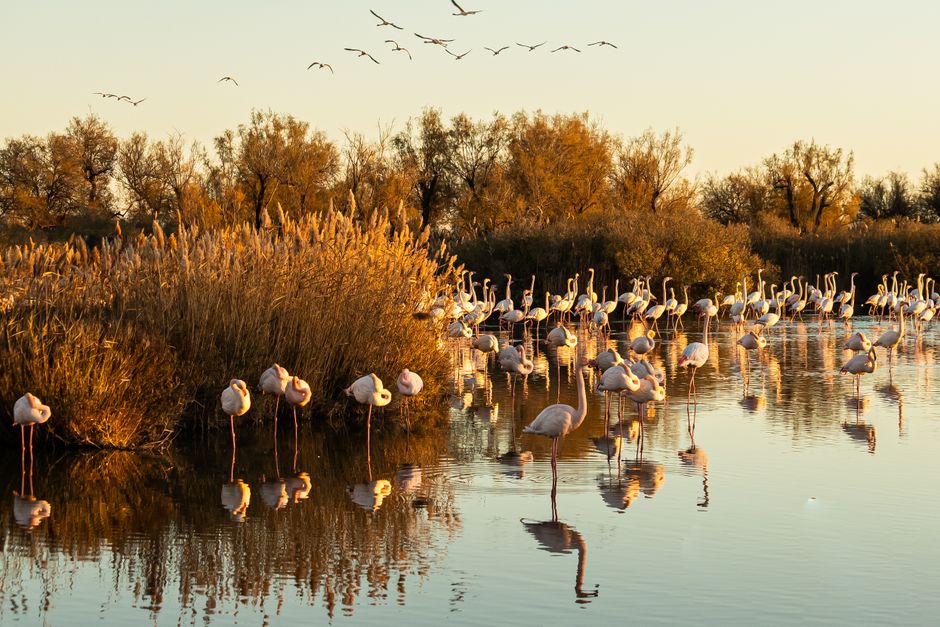
Albania is currently experiencing widespread civil unrest, dubbed the 'Flamingo Revolution', as thousands have taken to the streets to protest a controversial luxury development and demand the resignation of Prime Minister Edi Rama. The flamingo, a symbol of the nation's rich biodiversity, has become an unexpected emblem of public discontent, highlighting environmental and governance concerns surrounding major investment projects.
The protests stem primarily from public opposition to a large-scale coastal luxury development, which critics argue lacks transparency, threatens natural habitats, and may be marred by corruption. While details on specific developers remain scarce, such projects are often significant draws for foreign capital in emerging markets, aiming to bolster tourism and real estate sectors. However, the ensuing public outcry and allegations of impropriety have cast a shadow over the government's economic development strategies.
For international investors, particularly those eyeing opportunities in emerging European markets like Albania, the unfolding 'Flamingo Revolution' serves as a critical case study. Political instability and questions surrounding the rule of law and transparency in project approvals can significantly elevate perceived risk. Analysts suggest that sustained protests and a volatile political climate could deter foreign direct investment (FDI) at a time when Albania aims to integrate further into the European economic sphere.
The tourism sector, a vital component of Albania's economy, could also face headwinds if the unrest escalates or perceptions of instability persist. Major luxury developments typically aim to attract high-net-worth individuals and boost visitor numbers, but an environment of social discord can undermine such efforts. Concerns over environmental impact and sustainable development practices, as highlighted by the protests, are also increasingly factoring into investment decisions for ethically conscious funds and corporations.
As the demonstrations continue, the Albanian government faces mounting pressure to address the protestors' demands and demonstrate robust governance. The situation underscores the complex interplay between economic development aspirations, environmental protection, and public accountability, factors closely observed by the global business community when evaluating investment landscapes.